Becca
xox
Sexually Transmitted Diseases
Personal Project
Contents:
· My Personal Project Goal
· Areas of Interaction
· Introduction
· Commonly asked questions
· Chlamydia
·Gonorrhea
·Hepatitis
·Herpes
·HPV
· Molluscum Contagiosum
· NGU
· PID (Pelvic Inflammatory disease)
· Scabes
· Syphilis
· Vaginitis/Trichomoniasis
· HIV/AIDS
· General Overview
· Facts and Statistics
· Where to go for advice and assistance
· Bibliography
My Personal Project Goal
Rebecca Healey
Grade Ten
Advertising plays a huge role in our world today. When you watch a commercial, have you ever felt like the product being advertised is exactly what you need, or that you suddenly want to buy a hamburger even though you are a vegetarian? Well I do – even though I can not exactly say that I avoid meat. Over the years I have become increasingly aware of how greatly the Advertising media affects the public. I have watched as people decide to by a type of lip-gloss that they really do not need or a new fragrance just because their favourite celebrity “uses it”. However, the main aspect that I have noticed is the topics of which people seem to advertise. In breaks between television shows what do you see? Do you see people advertising topics such as Traffic/congestion and how to decrease the growing rates or commercials on Global Warming? From what I have observed, all you see on TV today is women advertising shampoos, or makeup, or even a new kind of hairspray. This idea has made me also realise that although there may have been one or two serious commercials such as an African starvation charity, or to stop smoking, I have never once seen a commercial about STDs and how to prevent them. As a person of 15, I am ashamed to admit that I do not feel fully confident as to what exactly they are and how to prevent them. This, I believe has a great deal to do with advertising. For example, through smoking advertisements or even drinking advertisements I have become very aware of all the effects smoking or drinking can have on you. However, I have never seen any advertisements on STDs. Therefore, for my personal project, I have decided to study the topic of Sexually transmitted diseases, (STDs). I plan to launch an advertising campaign to the 10th and maybe 9th grade so that more people will be aware of what STDs actually are, how they can affect you and how to prevent them. My end product will be a booklet of information about STD’s, a movie and presentation which I will aim to present to the 10th grade in their PSE classes, leaflets, which I will hand out to them during said presentation, a website, which will contain information and advice on STD’s and posters.
This project will be generally aimed at the younger generations, as in my experience, I believe they may be more at risk as they do not think about STDs a great deal. Also, with older people, if they are married, they do not generally have sexual relations with more than one person. So they are not at a great risk unless that one person happens to have an STD. However, younger people are not married and as such, they are not particularly tied down to one person. Therefore, they are more at risk of contracting an STD. As such, I believe that if I direct my campaign towards the younger generation, initially 9th and/or 10th grade, I may save many younger people from STDs and will hopefully allow them to think a great deal about how to be safe and healthy in the world today.
Areas of Interaction:
Health and Social Education: My project links to Health and Social education probably more than any other area of interaction as my main focus for this project is STDs. STDs are a major health conflict in our world today, so by studying this topic I would be working greatly with health. Also, by launching an advertising campaign, I am trying to improve the general awareness of STDs and what can be done to prevent them. Hopefully the final product will help people be more socially aware and will make them think more about how they interact with one another.
Homo Faber: The final product of the project links to the area of interaction Homo Faber, as I am actually producing a/some manmade products. The production will be all my own ideas and the final product will be an original manmade product. This project will prove to me just how much the human creative process can have an effect on the world we live in as I will hopefully be able to change people’s views on STDs with my final creations.
Community and Service: The whole point of this project is to raise awareness to the public about STDs in order to make our community safer and more knowledgeable about this major conflict in life. Therefore, the area of Interaction, Community Service is very closely related to my project.
Approaches to learning: The Area of Interaction, Approaches to Learning is an obvious link to my project. The whole idea of the personal project is to go through a period of learning about a certain topic and to increase your knowledge by going through a process of Research and/or surveys, etc. Therefore, as I am studying and researching about STDs and completing my project, I am going through this process and am relating my project to the area of interaction, Approaches to learning.
Sexually Transmitted Diseases: Information Booklet
Introduction:
As defined in the World Book encyclopaedia, Sexually Transmitted Diseases (STD’s), once also known as Venereal diseases, are any diseases or infections “spread primarily through intimate sexual contact with an infected person. There are many different types of STD’s or STI’s (sexually transmitted infections). The most common of these include:
· Chancroid
· Chlamydia
· Gonorrhea
· Hepatitis
· Herpes
· HPV
· Molluscum Contagiosum
· NGU
· PID (Pelvic Inflammatory disease)
· Scabes
· Syphilis
· Vaginitis/Trichomoniasis
· HIV/AIDS
Common questions asked about Sexually Transmitted Diseases:
What is it?
How common is it?
How is it transmitted?
What symptoms are there?
How do you test for it?
How is it treated?
What complications/effects can occur from it?
How is it prevented?
Chancroid:
What is it?
A Highly contagious, yet curable, disease where puss-filled lumps/ulcers form on the skin, usually around the groin area. Lymph glands also usually occur on either side of the body around the groin region although it can occur on both sides of the body.
How common is it?
Chancroid is not yet common within developed countries, however, the numbers of infected people in the
How is it transmitted?
This disease is spread through any contact with the sore or the fluids from within the sore. Therefore they can be spread through vaginal, anal or oral sex as well as general sexual contact.
What symptoms are there?
Symptoms begin to show from around 3-10 days after contact, however, it is common in women for chancroid to be asymptomatic (there are no symptoms). Therefore, this disease can go unnoticed in women for a great deal of time. If ulcers occur, they are usually soft unlike the syphilis sore which is hard and rubbery.
How is it treated?
Chancroid is treated with antibiotics which reduce symptoms and prevents transmition.
How do you test for it?
It is important that you go to the doctor as other diseases such as syphilis or herpes need to be ruled out so it can be treated properly.
What complications/effects can occur?
Common complications that can occur include the swelling and connection of glands to form bubos, which are much more uncomfortable. In this case, surgery may be required to dull the pain. Once ruptured, a bubo also has an increased chance of contracting a secondary infection. Phimosis can also occur in uncircumcised males (when the foreskin is unable to retract over the glands or head of penis). In some cases, Circumcision may be required.
How is it prevented?
Chancroid is most commonly prevented by abstinence, however it can also be prevented by using a latex condom or water-based spermicides.
Chlamidia:
What is it?
Chlamydia is a curable disease caused by the bacteria, Chlamydia trachomatis and can eventually lead to the damage of a Female’s vital reproductive organs.
How common is it?
Chlamydia is very common, especially in the
How is it transmitted?
It is transmitted through vaginal, anal and sometimes oral sex
How is it treated?
Chlamidia is a curable disease, however, it is not considered cured until after the treatment consisting of antibiotics.
What symptoms are there?
Usually Chlamidia is asymptomatic for both men and women; however, if there are any symptoms they usually occur within 3 weeks of infection.
How do you test for it?
You can test for Chlamidia by collecting a specimen from infected area or urine sample.
What complications/effects can occur?
One major complication that sometimes occurs is that Chlamidia can cause PID to occur as well as infertility in women. In men, Chlamydia can also cause discharge.
How is it prevented?
It can only be prevented by abstinence or if latex condoms are used from beginning to end of sexual contact.
Gonorrhea:
What is it?
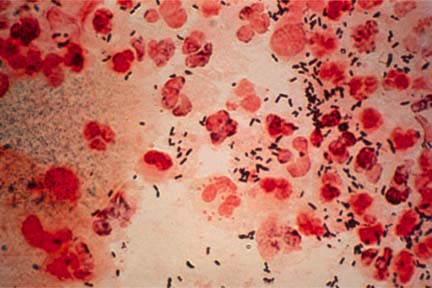
Gonorrhea is a curable disease that is caused by the bacteria Neisseria gonorrhoeae. In warm, moist areas of the body, it can reproduce and multiply. The places where this generally occurs is in the cervix, uterus, fallopian tubes and urethra in both men and women. Gonorrhea also commonly grows in the mouth, eyes, throat and even the anus.
How common is it?
Gonorrhea is a very common disease in men and women, and sometimes children. In the
How is it transmitted?
Gonorrhea is transmitted through vaginal, anal or oral sex.
What symptoms are there?
Gonorrhea is often an asymptomatic disease when in women. However, when symptoms do occur in women they are commonly mistaken for a bladder or vaginal infection. Women who do actually get symptoms usually contract them after around 10 days. In men, however, symptoms appear between 1-30 days; however, it most commonly appears after 2-5 days after infection.
How do you test for it?
To test for Gonorrhea, doctors take urine samples or specimen.
How is it treated?
Gonorrhea is treated by heavy amounts of antibiotics that can only be given by a doctor.
What complications/effects can occur from it?
If left untreated, Gonorrhea can cause incurable damage and permanent health problems in both men and women. In women, Gonorrhea can cause PID, which can lead to infertility. Other symptoms also include abdominal pain and fever. In men, Gonorrhea can cause epididymitis, which is a painful testicle condition that can eventually lead to infertility.
How is it prevented?
Gonorrhea is prevented by abstinence, mutual monogamy, and latex condoms but only if they are used from beginning to end of sexual contact.
Hepatitis:
There are five types of Hepatitis. Of these five, Hepatitis D and E are not very common, however, Hepatitis A, B and C are. Hepatitis A,B,C,D can potentially, if not treated, be fatal.
Hepatitis A:
What is it?
Hepatitis A is a liver disease caused by the Hepatitis A virus.
How common is it?
Hepatitis A is extremely common. For example, In the United States, 125,000-200,000 infections occur among the population per year. Also, in the U.S, around 100 people will die per year.
How is it transmitted?
Hepatitis A is generally transmitted through “oral contact with feces”. This means that Hepatitis A can be transmitted through contaminated water and food sources as well as sexual contact. The sexual contact which this disease is most commonly transmitted through is oral or anal sex. Hepatitis A is also commonly transmitted in young children who have not washed their hands properly, especially in a Day-care type facility as there are many children who are unclean or infected and many other children for it to be transmitted to. Hepatitis A is also very rarely transmitted through blood transfusions, however, the numbers have decreased rapidly after 1992 where people in such clinics began to screen the blood for diseases and infections.
What symptoms are there?
There are many symptoms associated with Hepatitis A. These infections generally occur between 15-50 days after infection, however, not all people experience any or all of these symptoms. The symptoms include:
· Low grade fever
· The general feeling of being sick/ill
· Fatigue
· Loss of appetite
· Nausea
· Abdominal pain/discomfort
· Dark coloured urine
· Jaundice (Yellowing of the skin and eyes)
Young children (under 6) usually do not experience any symptoms; however, some children do experience mild diarrhoea.
How do you test for it?
Blood Tests are used to test for HAV antibodies (the cells the body produces to fight Hepatitis A infection). These antibodies can be detected through Blood tests for up to six months after infection.
How is it treated?
Hepatitis A does not currently have a cure; however, through the suggested rest by a doctor, people can recover completely. However, this rest period can take weeks, even months and can sincerely affect your social life as the rest requires you to stay in, sleep and come into contact with as few people as possible as well as to avoid all types of stress.
What complications/effects can occur from it?
The common effects that Hepatitis A can cause are chronic infections as well as Cirrhosis, which is when the liver becomes so damaged that it begins to scar. Also, Hepatitis A can cause Liver cancer and eventually if problems become too extreme, they can even lead to death.
How is it prevented?
The main Preventative for Hepatitis A is Abstinence as well as mutual monogamy, latex condoms, avoiding contaminated water or food sources, avoiding sharing needles or other drug equipment, and to maintain personal hygiene such as washing your hands after using the toilet or changing diapers.
Hepatitis B:
What is it?
Hepatitis B is a virus effecting the liver and causing liver inflammation.
How common is it?
Hepatitis B, like Hepatitis A is very common and even more common than Hepatitis A. Around 1.25 million people in the United States have chronic Hepatitis B with 73,00 new infections just in 2003. Also, every year, around 5,000 people die from complications caused by Hepatitis B infection.
How is it transmitted?
Hepatitis B is generally transmitted through direct contact with either blood, semen or “vaginal excretions”. Therefore, it can be transmitted through Sexual contact including vaginal, anal or oral sex. Because it can be passed on through contact with the blood of the infected, it can be transmitted through sharing needles and/or drug equipment as well as through Tattoo/body-piercing and Blood transfusion. However, this is much less common as all blood donated is screened for infection or disease before transmitted to the patient (began this screening process in 1992). Hepatitis B can also be transmitted through infected saliva from bites and can be passed on from mother to child at birth.
What symptoms are there?
The symptoms that can occur as a result of Hepatitis B are generally flu-like, such as:
· Loss of appetite
· The general feeling of being sick/ill
· Fatigue
· Nausea and vomiting
· Abdominal pain/discomfort
· Dark coloured urine
· Jaundice
· Rash or arthritis
· 1% of people infected with Hepatitis B have sudden liver failure that, if left untreated for too long can result in further complications and even death.
How do you test for it?
You can test for acute or chronic Hepatitis B through blood tests that can only be performed by a trained doctor or nurse. Therefore, you must go to your doctor or GP to get the test performed.
How is it treated?
The treatment for Hepatitis B depends on the type of Hepatitis B you have. There are two types of Hepatitis B, Acute and Chronic. Acute Hepatitis B is when people are newly infected with the disease and have only had it for a short period of time. Chronic Hepatitis B is where people have been infected with the disease for a long period of time. Although the treatment for these different types is different the common treatment for both is a type of vaccination.
What complications/effects can occur from it?
The common effects that Hepatitis B can cause are chronic infections as well as Cirrhosis, which is when the liver becomes so damaged that it begins to scar. Also, Hepatitis B can cause Liver cancer and eventually if problems become too extreme, they can even lead to death.
How is it prevented?
The most effective type of preventative is abstinence as well as mutual monogamy, latex condoms, avoiding contact with razors, toothbrushes, and infected blood on needles or other drug equipment, as well as covering cuts, sores and rashes with bandages.
Hepatitis C:
What is it?
Hepatitis C, like all other Hepatitis infections, affects the Liver.
How common is it?
Hepatitis is the most common for of Hepatitis and is also the most common blood borne infection in the
How is it transmitted?
Hepatitis C is generally transmitted through “direct contact with blood of an infected person”. It can be transmitted through infected needles or other drug equipment, organ transplants from and infected person and a blood transfusion, although the chance of transmitting it in this way is much less likely after 1992 when all clinics began to screen donated blood for Diseases and infections. Hepatitis C can also be transmitted through vaginal, anal or oral sex and can be passed on from mother to child at birth.
What symptoms are there?
There are different symptoms for each type of Hepatitis although almost 80% of the people infected with Hepatitis C do not actually experience any symptoms. Acute Hepatitis (short term) does not usually have any symptoms; however, sometimes people do experience Flu-like illnesses and occasionally Jaundice. The symptoms of Chronic (long term) Hepatitis C are from either liver disease or liver scarring. The symptoms of liver disease include Jaundice, Fatigue, loss of appetite, nausea, malaise. The symptoms that result from liver scarring are muscle weakness, poor appetite, nausea, weight loss, itching, dark coloured urine, Jaundice, abdominal swelling, and fluid retention.
How do you test for it?
The common method of testing for Hepatitis C is through Blood Tests.
How is it treated?
Hepatitis C is treated through therapy with interferon and sometimes with a mixed therapy course of both interferon and ribavarin.
What complications/effects can occur from it?
The common effects that Hepatitis C can cause are chronic infections as well as Cirrhosis, which is when the liver becomes so damaged that it begins to scar. Also, Hepatitis C can cause Liver cancer and eventually if problems become too extreme, they can even lead to death. Complications from Hepatitis C cause around 8,000-10,000 deaths per year.
How is it prevented?
Hepatitis C is prevented through abstinence, mutual monogamy, and avoiding all contact with infected blood. Therefore, covering wounds can help prevent transmitting the disease.
Hepatitis D:
What is it?
Hepatitis D is also a liver disease, however, it can only be obtained if someone already has Hepatitis B.
How common is it?
Hepatitis D is extremely uncommon.
How is it transmitted?
Hepatitis D is transmitted by sharing needles with a person with an infection in their blood. Rarely, Hepatitis D can also be transmitted by mothers to their children at birth.
What symptoms are there?
Hepatitis D had very similar symptoms to hepatitis A, including low grade fever, fatigue, loss of appetite and nausea, etc. People with Hepatitis B and D can also develop extreme, more serious conditions that could be infectious for their entire life.
How do you test for it?
Doctors can test for Hepatitis D through blood tests.
How is it treated?
Hepatitis D can be treated by an injection that cures Hepatitis B, as without it, Hepatitis D cannot occur.
What complications/effects can occur from it?
Having Both Hepatitis B and D can have higher risk of developing Liver disease or malfunctions and can be fatal.
How is it prevented?
The most effective type of preventative is abstinence as well as mutual monogamy, latex condoms, avoiding contact with razors, toothbrushes, and infected blood on needles or other drug equipment, as well as covering cuts, sores and rashes with bandages.
Hepatitis E:
What is it?
Hepatitis E is a viral hepatitis, and like all of the rest, it infects the liver.
How common is it?
Hepatitis E is not common at all in well-developed countries; however, it is very common in un-developed countries with unclean drinking water.
How is it transmitted?
Hepatitis E is transmitted through oral contact with faeces which can occur through unclean drinking water and food.
What symptoms are there?
The symptoms of Hepatitis E are also similar to Hepatitis A, including nausea, abdominal pain/discomfort, dark coloured urine, and Jaundice (Yellowing of the skin and eyes), etc.
How do you test for it?
You can test for Hepatitis E through Diagnostic tests which are available to anyone through the reference of your doctor/GP.
How is it treated?
There is no vaccine or anything else to treat Hepatitis E. Instead, rest is required and suggested by doctors to help the disease improve.
What complications/effects can occur from it?
The effects can be liver complications and a chance of liver disease as well as a higher risk of death for pregnant women of around 15%-20%
How is it prevented?
Hepatitis E can be prevented through avoiding contact with any unclean drinking water and food.
Herpes:
Herpes consists of two different types, Oral and Genital. Although someone may have one type of Herpes, it does not mean they have both types.
Genital Herpes:
What is it?
Genital Herpes is a Sexually transmitted disease that causes ulcers (otherwise referred to as “lesions”) which appear on the skin around the genitals/genital region. Genital Herpes is caused by HSV-2.
How common is it?
Genital Herpes is very common as over 1 quarter of the population of the
How is it transmitted?
Genital Herpes is transmitted through any type of genital to genital contact as well as genital to mouth contact.
What symptoms are there?
90% of all people infected with Herpes do not know they have the infection. However, symptoms can come and go with each episode. The first episode is generally the worst episode. In this episode, sore, vesicles, and ulcers (otherwise known as “lesions”) appear on the skin anywhere around the genital region. People also often experience flu-like symptoms such as fever, swollen glands, headache, and painful urination. Recurrent episodes of Herpes are much less painful and are usually milder. Also, herpes does not spread to the mouth or face but stays in the genital region.
How do you test for it?
Doctors do not test for Herpes through blood tests. They usually check for it just by viewing the skin and testing it for ulcers.
How is it treated?
There is no treatment for Genital herpes.
What complications/effects can occur from it?
Genital Herpes is harmless; however, for most people it can be highly uncomfortable. The only effect Herpes has on an infected person is that with Herpes it is easier to transmit HIV.
How is it prevented?
Genital Herpes can be prevented by abstinence, mutual monogamy and by not partaking in any sexual act including kissing with anyone who is infected. Because it is so hard to tell who is infected, you can prevent Herpes by getting your partner checked by a doctor/GP.
Oral Herpes:
What is it?
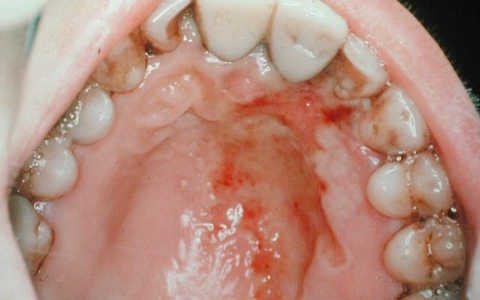
Oral Herpes is a Sexually transmitted disease that causes ulcers (otherwise referred to as “lesions”) which appear on the skin around the mouth, throat or neck. Oral Herpes is caused by HSV-1.
How common is it?
Oral Herpes is very common as around 50-80% of all adults have it and by 50 years old, around 90% of people have it.
How is it transmitted?
Oral Herpes is transmitted when infection comes into direct contact with a cut or break in the skin as well as with mouth and genitals. Also, Oral Herpes is commonly transmitted when children are kissed by their relatives or friends.
What symptoms are there?
90% of all people infected with Herpes do not know they have the infection. However, symptoms can come and go with each episode. The first episode consists of small, fluid-filled blisters that are generally found around the mouth, throat, and neck. Recurrent episodes generally last around 8-10 days and are very subtle. However, only 1 quarter of people infected even experience recurrences.
How do you test for it?
Doctors do not test for Herpes through blood tests. They usually check for it just by viewing the skin and testing it for ulcers.
How is it treated?
There is no treatment for Oral herpes.
What complications/effects can occur from it?
Oral Herpes is harmless; however, for most people it can be highly uncomfortable. The only effect Herpes has on an infected person is that with Herpes it is easier to transmit HIV
How is it prevented?
Genital Herpes can be prevented by abstinence, mutual monogamy and by not partaking in any sexual act including kissing with anyone who is infected. Because it is so hard to tell who is infected, you can prevent Herpes by getting your partner checked by a doctor/GP.
HPV (Human Papillomavirus):
What is it?
There are over 100 types of HPV of which 30 are Sexually Transmitted and these diseases can cause Genital HPV.
How common is it?
HPV is extremely common among the population as around 5.5 people become infected with it each year. Also, 3 out of every 4 Americans between the age of 15 and 49 have been infected with genital HPV at one point or another in their lifetime.
How is it transmitted?
Genital HPV is transmitted through skin to skin contact not through contact with fluids.
What symptoms are there?
HPV is generally asymptomatic meaning there are no symptoms associated with HPV.
How do you test for it?
An annual exam is recommended for sexually active women aged 21 and older. This exam usually includes a gynaecological exam and a pap-test. These tests should pick up any evidence of HPV.
What complications/effects can occur from it?
Most HPV diseases are harmless; however, some types can cause cervical cancer. There are around 14,000 cases of cervical cancer are diagnosed each year in the
How is it prevented?
HPV cannot be entirely prevented by only using a latex condom. Therefore, abstinence is the only 100% effective preventative for HPV.
Molluscum Contagiosum
What is it?
Molluscum Contagiosum is a skin disease that has developed from a disease, much like chicken pox among children, to a widely spread disease among anyone of any age.
How common is it?
Molluscum Contagiosum is a very common disease among the population whether men, women or children.
How is it transmitted?
Molluscum Contagiosum is transmitted through skin to skin contact. This can be through sexual contact or just contact with something that has previously come into contact with the lesions of an infected person, such as clothing, towels, bath water and swimming pool water.
What symptoms are there?
Molluscum Contagiosum has one main symptom, which is self-resolvable. It is a series of small, grey, white, yellow or pink coloured lesions which appear on thighs, buttocks, groin, and lower abdomen for adults. For children, however, it can appear on the face, legs and/or arms. These lesions can last from 2 weeks to 4 months.
How do you test for it?
You can test for Molluscum Contagiosum by collecting a specimen of skin from an infected region and testing it under an electron microscope.
How is it treated?
There is no treatment for Molluscum Contagiosum as it is a self-resolving, however, many patients decide to have all lesions removed.
What complications/effects can occur from it?
Molluscum Contagiosum is harmless and does not have any complications associated with it.
How is it prevented?
Molluscum Contagiosum can be prevented through abstinence, mutual monogamy and latex condoms.
NGU (Non Gonococcal Urethritis):
What is it?
Non Gonococcal Urethritis is an infection of the Urethra which is commonly caused by Chlamydia.
How common is it?
Non Gonococcal Urethritis is a very common disease among women.
How is it transmitted?
Non Gonococcal Urethritis is transmitted through vaginal, anal or oral sex as well as through germs being passed into the body non-sexually. It can also be transmitted from mother to child at birth.
What symptoms are there?
Babies who contract Non Gonococcal Urethritis can develop conjunctivitis, ear infections, and/or pneumonia. The symptoms that men suffer when infected are discharge, burning sensation when urinating, itching, irritation, and/or tenderness. Women are usually asymptomatic, meaning there are no symptoms, however, there are common symptoms that women infected with Non Gonococcal Urethritis experience. Such symptoms include, discharge, burning pain when urinating, abdominal pain, and/or vaginal bleeding. When vaginal bleeding occurs, it can mean that the disease has progressed into PID (Pelvic Inflammatory disease).
How do you test for it?
To test for Non Gonococcal Urethritis doctors often use tests such as Gonorrhoea culture (to rule out Gonorrhoea), gram stain, Chlamydia culture (to rule Chlamydia out), and very rarely a Urinalysis.
How is it treated?
Non Gonococcal Urethritis is treated through a wide range of medicines/antibiotics such as Azithromycin, Doxycycline, Erythromycim, and Ofloxacin.
What complications/effects can occur from it?
The main effect that Non Gonococcal Urethritis can have on men is Epididymitis which can lead to infertility, arthritis, conjunctivitis, skin-lesions and discharge. There are many main effects that Non Gonococcal Urethritis can have on women. The first effect is Murcopurulent Cervititis (MPC), which in turn can lead to miscarriages. Chronic Pelvic Pain, urethritis, and vaginitis can also occur as a result of infection of Non Gonococcal Urethritis in women. Finally, PID can occur in infected women, which can lead to an etopic pregnancy (where the foetus begins to grow in the fallopian tubes and an instant operation is required for the safety of the mother). If PID becomes recurrent, it can lead to infertility. Children who contract Non Gonococcal Urethritis can get conjunctivitis, which may lead to blindness as well as Pneumonia.
How is it prevented?
Non Gonococcal Urethritis can be prevented through abstinence, mutual monogamy, latex condoms, spermicides, and regular check-ups.
PID (Pelvic Inflammatory Disease):
What is it?
Pelvic Inflammatory Disease (PID) is a serious infection in the uterus, ovaries and fallopian tubes of a woman. PID can result in infertility or other fatal complications in women and is caused by sexual contact as well as from Chlamydia and Gonorrhoea.
How common is it?
PID is a very common disease, especially in women aged 15-21 who are sexually active, as they are most at risk.
How is it transmitted?
PID (Pelvic Inflammatory Disease) is generally transmitted through vaginal, anal or oral sex. It is also caused by Chlamydia and Gonorrhoea.
What symptoms are there?
Some common symptoms include pain in the lower abdomen, burning or pain when urinating, nausea and vomiting, bleeding between periods, increased discharge from vagina, pain during sex, and fever and chills.
How do you test for it?
You can test for PID with a pelvic exam and/or an ultrasound.
How is it treated?
PID is treated through heavy antibiotics.
What complications/effects can occur from it?
The main complication that can occur from PID is infertility. Around 100,000 women are infected with PID in the
How is it prevented?
PID can be prevented through abstinence, mutual monogamy, latex condoms, spermicides, and regular check-ups.
Scabies:
What is it?
Scabies is the name of paracites that burrow under skin and lay 2-3 eggs per day. These eggs take 10 days to hatch and as they do, they continue the process by also laying eggs under the skin.
How common is it?
Scabies is very common among men and women and children, however, it is less common in children as it is most commonly transmitted through sexual contact.
How is it transmitted?
Scabies parasites can be transferred from person to person by jumping from the hair of one person to another. Therefore, it is generally transmitted through close sexual or natural contact as well as through clothing, linen, and other items that the infected person has used.
What symptoms are there?
The main symptoms of a scabies infestation are itching, pimple-like irritation which is present on sides of fingers, pubic and groin region, armpits, elbows, knees, wrists, navel, breasts, buttocks, waist, and abdomen. Also, commonly, a “zig-zag” or “S” pattern appears on the infested skin, which shows the sign of a burrow being present. Symptoms, for someone who has never had scabies before can arise after around 4-6 weeks, however, for those who have previously had this infection, they can become visible from 1-4 days.
How do you test for it?
To test for Scabies, doctors carry-out microscopic skin tests and burrow-ink tests (where ink is placed over infested region to make the “zig-zag” or “S” pattern more obvious). Also, a common test is for a needle to be injected into the skin to extract the mites/parasites.
How is it treated?
Scabies is treated through creams and ointments spread on the infected location.
What complications/effects can occur from it?
There are no effects of Scabies accept for discomfort, inconvenience, and secondary infections for excessive, aggressive scratching.
How is it prevented?
Scabies can be prevented through abstinence, mutual monogamy, latex condoms, and avoided contact with the infected.
Syphilis:
What is it?
Syphilis is a curable infection that enters the body thorough mucous or abraded skin and once inside moves swiftly thorough the bloodstream, attaches to cells and damages organs over time. There are four different stages of Syphilis, Primary, secondary, latent and Tertiary.
How common is it?
Syphilis is not a very common disease among children, however, as it is sexually transmitted, it is more common among men and women.
How is it transmitted?
Syphilis is generally transmitted through vaginal, anal or oral sex. Warts can also spread syphilis, just as mothers can spread syphilis to their children through birth.
What symptoms are there?
There are different symptoms for each stage of Syphilis. These stages include Primary, secondary, latent and tertiary.
The Primary stage results in a single sore, generally known as a chancre which appears around 10-90 days after contact. These chancres are raised and painless and are found outside the genitals. They last 1-5 weeks and then go away by themselves.
The Secondary stage occurs 17 days – 6.5 months after first infection and can last from 2-6 weeks. The symptoms that occur at this stage include rough, red/brown rash which is not usually itchy and is found on the palms of the hands and/or soles of the feet. Warts and lesions are also found in and/or around the genital region. Sores can appear on the mouth, throat and cervix as wells as the infected person experiencing loss of hair and the general feeling of being sick/ill.
There are no symptoms for the latent stage which can last from 2-30 years after infection. People during this stage will not notice they have Syphilis because it is asymptomatic. Therefore, the only way to test for Syphilis during this period is through blood tests. Also, during this period, a relapse of the secondary stage can occur after 2 years of the latent stage.
The tertiary (Late) stage of Syphilis can occur 2 or more years after infection. In this stage, small bumps called “gummas” can occur on skin, bones, liver or any other internal organ. Heart and blood-vessel problems can also occur as well as nervous system disorders such as blindness, insanity, and paralysis.
When a mother passes Syphilis on to her child at birth, the baby is said to now have Congenital Syphilis. This can go unnoticed for many years until the child is older and begins to develop the same symptoms as in grown adults who are infected.
How do you test for it?
To test for the Disease, you can perform blood tests. Blood tests will tell the doctor if any antibodies are present. Doctors also commonly test fluids which should show if there are any antigens present.
How is it treated?
The main treatment for Syphilis is Penicillin, however, if someone has an allergy to penicillin, other antibiotics can be offered to them.
What complications/effects can occur from it?
The main effects that Syphilis has on the infected person are blindness, paralysis, problems with bones or other internal organs including the heart.
How is it prevented?
Syphilis can be prevented through abstinence, mutual monogamy, latex condoms, and avoided contact with the infected and warts.
Vaginitis:
What is it?
Vaginitis is an infection that causes swelling, itching, burning or infection in the vagina due to germs. There are three common types of Vaginitis. These types include, Bacterial Vaginitis (BV), Yeast (fungus) and Trichomoniasis.
How common is it?
Vaginitis is an extremely common infection in women as statistics show that women will have some type of Vaginitis at least once in their life.
How is it transmitted?
Vaginitis can be transmitted when germs enter the body. There is a balance of good and bad germs in the body and by extra bad germs entering it, it upsets the balance and causes Vaginitis. These germs can be transmitted through sexual contact, antibiotics, pregnancy, damp underwear, tight pants, poor diet, and vaginal products such as lubricants, sprays and Birth control devices.
What symptoms are there?
The symptoms of vaginitis depend greatly on the type. Bacterial Vaginitis will produce a strong fishy smell (especially after sex), white or grey discharge which tends to be watery or foamy. Yeast Vaginitis will produce thick, white discharge, pain itching, burning or redness around the vagina, and a strong smell (like baking bread). Trichomoniasis usually produces a green, yellow or grey discharge, a bad smell pain during sex, pain when urinating and will cause the infected person to itch around the vagina a great deal.
How do you test for it?
Testing depends on the specific doctor you go to, but test are not usually painful and do not usually have any effects on you.
How is it treated?
Creams are usually used to treat Vaginitis.
What complications/effects can occur from it?
The effect for a woman with BV is that they have a much higher risk of contracting PID (Pelvic Inflammatory Disease). A woman who has both BV and Trichomoniasis has a higher chance of catching HIV if exposed to it. Also, for pregnant mothers, having both BV and Trichomoniasis, increases their chances of giving birth to their baby prematurely or for their baby to be born with a low birth weight.
How is it prevented?
It is preventable by pursuing personal hygiene, for example, washing your vaginal region every day.
HIV/AIDS:
What is HIV?
· HIV attacks the immune system making you more receptacle to other diseases and illnesses
· HIV does not have obvious symptoms and can be had without the victim knowing.
· HIV damages the white blood cells (CD4 OR T-helper cells) in the body, which help control/ set off the immune system and helps it fight diseases.
· HIV can be kept at bay for many years.
· Over time, however, the disease will continue damaging the CD4 cells and as the number of cells decreases, the number of diseases and viruses the body contracts grow.
· HIV can also attack the brain and stop it from working properly. This can cause HIV encephalopathy.
· The diseases contracted are usually known as opportunistic infections.
· The immune system is also in control of the cells in the body as they tend to act up and with a damaged immune system, the cells can cause “opportunistic tumours”.
· Once someone has contracted a disease, tumour, etc from the breakdown of the immune system, they are considered as someone with Aids.
· HIV is present in blood and blood products, Semen and sometimes pre-cum, Vaginal and cervical secretions, and breast milk in large quantities.
How common is it?
HIV is an extremely common disease with over 30,000 people in the
How is it transmitted?
HIV is most commonly transmitted through sexual contact including vaginal, anal and oral sex, however oral sex is very uncommon in transmitting HIV. HIV can also be transmitted through the Transfusion of infected Blood. This can occur by sharing a needle with an infected person, by receiving an organ from an infected person, and by receiving a blood transfusion from an infected donor. However, blood and organ donors, since 1992, are tested for HIV before their donations are received and cleared for use. The final method of transmition for HIV is from mother to child in birth, however, mothers can be given anti-viral medication to reduce the chances of passing HIV to their child. Breast feeding is also not suggested by doctors as this too could pass on HIV to a child.
What symptoms are there?
A few weeks after the infection of HIV, antibodies are formed in the body. At this time, some people develop flu-like symptoms such as fever, soar throat, and rashes. HIV, however, is generally an asymptomatic disease (without symptoms). This means that there are probably many people who do not know they have it and because of this, they continue to put others in danger by not protecting themselves.
How do you test for it?
To test for HIV, you go to your Doctor or GP and receive a blood test. This test, if specifically testing for HIV, will show any HIV antibodies and will therefore prove to the doctor whether you have the disease or not and how advanced it is, has become.
How is it treated?
HIV has no known treatment or cure; however, experts are working on it. There is however, a medication known as Highly Active Anti-Retroviral Therapy (HAART) that helps to suppress the virus and strengthen the immune system so that the infected person has an expanded lifespan. People can only use this treatment if they have already been tested positive to it. The treatment itself can also have painful side-effects and can be very expensive. Therefore people of Underdeveloped countries may not be able to afford it. Even if infected people use this treatment, they will still be able to transmit HIV. The HIV disease, however seems to be getting stronger and stronger as it supposedly developing a resistance to this medication. Therefore, this treatment is not a long term cure.
What complications/effects can occur from it?
Once the immune system is broken down/destroyed, the infected person can easily develop a sickness. If someone contracts another disease or tumour they are said to AIDS. If a person’s HIV develops into AIDS, they are more likely even very likely to die. A list of diseases has been put together for doctors so that if an infected person develops one of the diseases on the list, they can officially classify them as positive to AIDS.
How is it prevented?
As there is no cure for HIV, you must prevent it in some way. HIV is transmitted through blood transfusions and through sexual contact such as vaginal, anal or oral sex. Therefore, the main ways to prevent HIV are to avoid sharing needles or other drug equipment with anyone, especially if you know they are infected with HIV. The main technique to prevent HIV is through abstinence. To avoid having sex completely means that there is little to no chance that HIV will be transmitted as it is not very common for HIV to be transmitted through Blood transfusions or shared needles. Latex condoms are also around 90% effective against preventing STD transition. Mothers with HIV can be given anti-viral medication to reduce the chances of passing HIV to their child. Breast feeding is also not suggested by doctors as this too could pass on HIV to a child.
General Overview:
Peer Pressure and Media effect:
As it is commonly known, the main reason young people these days decide to have sex is due to peer pressure and through images represented through the media. Especially for Teenagers, however, also for people of older ages, peer pressure is a main factor as to why they have sex. As a teenager myself I have been influenced and tempted into things, through peer-pressure. Therefore, I understand what happens in the lives of children today. When friends come in and tell you that they have tried or done things, they make you believe it is what is commonly classified, “cool”. This is especially dangerous for teenagers when more than one person is doing it, especially when these people are in close-knit groups who are very close. In such a case, the person may feel left out from the group and may feel as if they need to do the same as everyone else in order to fit in and have things in common with their friends.
Teenagers are also commonly affected through peer-pressure by males. This is a great cause of young people, especially females, having sexual relations at a younger age. Males, as commonly known, are extremely concentrated on sex when they are teenagers. This interest will cause the male to push a female into agreeing to have sex. They often try to convince females that it is right or “cool” to do it, and because of this, young girls may decide to have sex, even at a young age. However, these girls often at a young age do not know much/anything about STD’s and their effects.
Another aspect of society that has a strong impact on young people and when they decide to have sex is through media. In media such as movies, television shows, and modelling pictures, sex-appeal is considered very important and sex in many of these forms of media is commonly portrayed as a way of life and something young people should be getting into earlier. They make sex seem very appealing for younger children and make them want to do it. Media is very dangerous in this sense as it can cause people to copy characters they see on TV or in pictures. In many situations, these characters are over-exadurated and for this to be seen by young people, it sets a bad example for the population as they may try to copy them.
As young women we must try to conquer this effect that society has on us. We must learn to be proud of ourselves, who we are, and what we wish to be and do. We are all individual and have a right to make our own choices in life. We all have a different opinion on matters including sex, and must try to stick to what we believe in. Peer-pressure is obviously not easy to disregard and stay away from, however, it is important to understand that by acting upon peer pressure, you are putting yourself in danger and are acting as if you are like everyone else. Without the proper information and knowledge, however, it is not possible for people, especially at a young age to make a good decision. Therefore, people must be educated before they start making these choices as without proper information, they could end up in deep trouble. The problem with this, however, is that teaching children under the age of around 16 is considered too young. For many people, especially in
Transmition of STD’s:
Every STD out there is transmitted through some sort of sexual contact including either vaginal, anal, or oral sex. Even though there are other ways in which they are transmitted, the most common is sex. Therefore, people who are sexually active must be extremely careful.
Prevention of STD’s:
To prevent Sexually Transmitted Diseases, obviously there are many different techniques. Techniques can include anything from latex condoms to spermicides. Although this is a technique that generally works well, it is still not 100% affective and is therefore not the best way to prevent an STD. As STD’s are mainly spread through sexual contact, the best and most effective way to stay protected against an STD is through abstinence. If you just don’t have sex in the first place, then there is little to no chance of contracting an STD. This technique is generally for the younger, single generations in this time you are in more danger. You may in this period have multiple partners, and sometimes you may not know if they are positive or negative to an STD. However, for people of an older age who are married, abstinence is not the best or most practical idea. In this case, the best idea is for them is to practice mutual monogamy (having sex with only one partner who is been tested negative to an STD). In this case, you are generally safe if neither you nor your partner have any sexual relations with any STD positive person).
Facts and Statistics
· More than half of all people will have an STD/STI at some point in their lifetime.
· More than $8 billion is spent each year to treat STD’s/STI’s and their complications. This figure does not include HIV.
· Less than half of adults ages 18-44 have ever been tested for an STD/STI other than HIV/AIDS.
· Each year, one in four teens contracts an STD/STI.
· One in two sexually active persons will contract an STD/STI by age 25.
· With more than 50 million adults in the
Where to go for advice and assistance:
For advice and assistance, you can go and call many places. The best options for you if you are concerned are:
· Your closest Sexual Health GUM (Genito-urinary medicine) clinic. These clinics offer free check-ups, treatment and HIV tests and all details discussed at this clinic remain completely confidential. To look up your nearest GUM clinic, you can look in the phone book under Genito-urinary medicine (GUM), Sexually Transmitted Disease (STD), or Veneral Disease (VD). You do not need to go to your nearest clinic, however, in many cases people feel more comfortable going to a clinic closer to them.
· Your GP, who can offer you information about STD’s and can tell you where your nearest GUM clinic is.
· You can call the National Aids Helpline free on
-0800 667 123
· For additional information, you can visit:
· You can also visit my website for advice, information and assistance at:
- http://beccapersonalproject-becca.blogspot.com/
Bibliography:
Information Sources:
· American Social Health Association, Learn about STD’s /STI’s, visited on 12th of February, 2007.
· Centres for Disease Control and Prevention, Genital HPV Infection - CDC Fact Sheet, visited on 12th of February 2007.
http://www.cdc.gov/std/HPV/STDFact-HPV.htm.
· MSM Information Centre, Hepatitis B Prevention for Men who have Sex with Men, visited on 12th of February, 2007.
http://www.cdc.gov/ncidod/diseases/hepatitis/msm/hbv_msm_fact.htm.
· National Centre for HIV, STD and TB Prevention, Hepatitis B Frequently Asked Questions, visited on 16th of February, 2007.
http://www.cdc.gov/ncidod/diseases/hepatitis/b/faqb.htm
· American Social Health Association, STD/STI STATISTICS > Fast Facts, visited on 12th of February, 2007.
http://www.ashastd.org/learn/learn_statistics.cfm
· Aids Resource Centre, What’s new…, visited on 16th of February, 2007.
· James Pagent University Hospitals, Sexually Transmissible Infections, visited 17th of February, 2007.
http://www.bureclinic.com/sexualm.htm
· Wikipedia the Free Encyclopedia, Sexually transmitted disease, visited 2nd of March, 2007.
http://en.wikipedia.org/wiki/Sexually_transmitted_disease
· OSF Healthcare, STD’s, Visited 2nd of March, 2007.
http://www.stayinginshape.com/3osfcorp/libv/0w04.shtml
· Grandma’s, Grandma’s, visited on 2nd of March, 2007.
http://www.christiansuppliers.com/pages/listgen.asp?layout=description.asp&Author=KQ-635-252
· HIV/AIDS Positive Stories, A condom saved my life, visited on 6th of March, 2007.
http://www.hivaids.webcentral.com.au/text/st444.html
· Answers.com, Sexually Transmitted Disease, visited on 6th of March, 2007.
http://www.answers.com/topic/sexually-transmitted-infection
· Voices of Youth, HIV and AIDS Poems, visited on 13th of March, 2007.
http://www.unicef.org/voy/discussions/archive/index.php/t-164.html
· Global Ministries, 'Tis a Fearful Thing’, visited 16th March, 2007.
http://new.gbgm-umc.org/resources/worship/aids/devotional/index.cfm?i=5346
· Children with Aids, Home, visited on 16th March, 2007.
http://earthrenewal.org/children.htm
· The Body, The complete HIV/AIDS Resource, HIV Prevention and Testing, visited on 16th March, 2007.
http://www.thebody.com/basics.html
· HIV/AIDS Stories, Ignorance is not bliss, visited 12th of February, 2007.
http://www.hivaids.webcentral.com.au/text/st210.html
- World Book INC, a Scott Fetzer company, The world book encyclopedia, Volume 17, World Book INC, 1993.
- Craig Donnellan, Sexual Health, Volume 10, (Independence, 1998, Cambridge CB1 3XP England)
- Craig Donnellan, Sexually Transmitted Diseases, Volume 10, (
- Andrew Campbell, HIV and AIDS, The facts behind the headlines, (Franklin Watts,
- Rebecca Healey, My survey, conducted on the 28th of February, 2007.
Picture Sources
- http://www.bbc.co.uk/health/images/300/kid_crying.jpg
- http://www.dailypepper.com/mt/archives/ap_india_baby_051130_ssv.jpg
- http://www.islamonline.net/English/News/2005-08/23/images/pic06.jpg
- http://www.nature.com/news/2006/060911/images/443131b.jpg
- http://www.vagabonding.com/photos/swaziland/DSC02401Bhekinkosi_girl.jpg
- http://www.theyuinon.com/articles/imagesofus2/Men%20Article%201%20-%20woman%20crying%202.jpg
- http://www.hopeandhomes.org/images/hiv-aids-image.jpg
- http://en.wikipedia.org/wiki/Image:Stdspain.jpg
- http://en.wikipedia.org/wiki/Image:SheMayLookCleanBut.jpg
- http://www.lib.uiowa.edu/hardin/md/pictures22/scabies.jpg
- http://www.stanford.edu/class/humbio103/ParaSites2004/Scabies/scabies.jpg
- http://www.tweaker.org/images/squares/gonorrhea.gif
- http://www.herpes-coldsores.com/std/std_images/gonorrhea2.jpg
- http://www.uv.es/medicina-oral/Docencia/atlas/hematologicasFOTOS/herpes.jpg
- http://www.rockbottomrx.com/productpages/rbrx/images/herpeszoster.jpg






1 comment:
There is a new cure: http://www.molluscum.com.
Post a Comment